
In today’s fast-paced digital world, brand communication is evolving more rapidly than ever. Consumers expect authenticity, personalization, and meaningful engagement across multiple platforms.
From the rise of immersive storytelling to the integration of AI-powered chatbots, brands are redefining how they connect with their audiences. Understanding these shifts is crucial for businesses aiming to stay competitive and relevant.
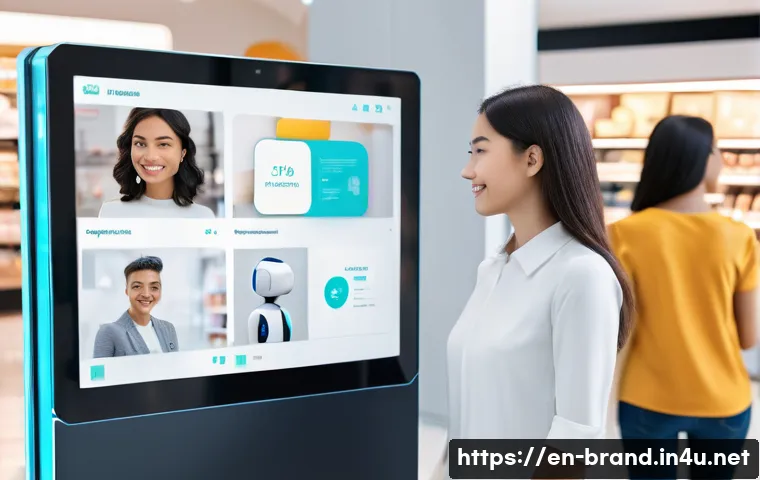
Let’s dive into the latest trends shaping brand communication and discover how to leverage them effectively. Get ready to explore the details below!
Embracing Authenticity in Brand Storytelling
The Power of Genuine Narratives
Brands that prioritize authenticity in their storytelling often resonate more deeply with audiences. When a story feels real and relatable, it creates an emotional connection that goes beyond just products or services.
From personal anecdotes shared by founders to behind-the-scenes glimpses, these authentic narratives help humanize a brand. I’ve noticed that when companies ditch overly polished ads in favor of honest communication, their engagement rates spike significantly.
People crave transparency, and they can tell when a story is crafted purely for marketing versus when it’s rooted in real experiences.
Integrating Customer Voices
Including customers in the storytelling process not only builds trust but also fosters community. User-generated content, testimonials, and reviews are gold mines for brands wanting to showcase authentic experiences.
For example, when I’ve managed campaigns that actively encouraged customers to share their stories, the brand’s credibility skyrocketed. It’s a win-win: customers feel valued, and brands get genuine content that speaks louder than any scripted message.
This trend highlights a shift from brand-centric to audience-centric communication.
Visual Storytelling with Purpose
Visual elements like videos, photos, and infographics can elevate authentic storytelling by making it more immersive and accessible. But it’s not just about aesthetics; the visuals must align with the brand’s voice and values.
I’ve found that candid, unfiltered images often outperform highly staged ones because they feel more trustworthy. Plus, platforms like Instagram Stories and TikTok make it easier to share spontaneous moments that reinforce authenticity in real-time.
Personalization as a Communication Game-Changer
Data-Driven Customer Insights
Leveraging data to tailor communication is no longer optional—it’s essential. Brands that analyze customer behavior, preferences, and past interactions can craft messages that hit the right note every time.
I’ve worked on projects where personalized emails and recommendations boosted open and conversion rates dramatically. The key is balancing automation with a human touch, ensuring the message feels like it was made just for the recipient rather than a generic blast.
Dynamic Content Across Channels
Personalization extends beyond emails. On websites, social media, and even ads, dynamic content that adapts based on user profiles enhances engagement.
For instance, I’ve seen brands use geo-targeting to offer localized promotions, which customers appreciate because it feels relevant to their daily lives.
This approach requires an integrated tech stack but pays off by making every interaction more meaningful and timely.
Privacy and Trust Considerations
With personalization comes the responsibility of safeguarding customer data. Transparency about how data is used and giving users control over their information is critical.
I’ve observed that brands that openly communicate their privacy policies and demonstrate respect for user data tend to build stronger loyalty. Consumers today are more informed and cautious, so maintaining trust in this area is foundational for successful personalized communication.
The Rise of AI-Powered Conversational Tools
Chatbots Enhancing Customer Experience
AI chatbots have evolved from clunky automated responders to sophisticated conversational agents that can handle complex queries. I’ve tested various chatbot platforms, and the ones that use natural language processing create a seamless experience that customers actually enjoy.
They provide instant support, freeing human agents for more nuanced interactions. This not only improves response times but also enhances overall satisfaction.
AI-Driven Content Creation
Brands are increasingly using AI to generate personalized content at scale. From tailored product descriptions to social media posts, AI tools help maintain consistent messaging without sacrificing relevance.
While I’m always cautious about over-reliance on AI, integrating it thoughtfully has allowed teams I’ve worked with to focus more on strategic creativity while letting AI handle repetitive tasks.
Balancing Automation with Human Touch
Despite AI’s capabilities, human interaction remains irreplaceable in building emotional connections. I’ve noticed the best brand communication strategies use AI to augment rather than replace human engagement.
For example, chatbots can triage queries, but escalation to human agents for complex or sensitive issues ensures empathy and personalized care. This balance is crucial for maintaining authenticity while benefiting from technology.
Multichannel Engagement Strategies for Maximum Reach
Consistent Messaging Across Platforms
Maintaining a unified brand voice across multiple channels is challenging but vital. I’ve observed that inconsistencies confuse customers and weaken brand identity.
Successful brands develop comprehensive style guides and communication frameworks to ensure their tone, visuals, and messages align whether the audience is on Instagram, email, or a website.
This cohesion builds trust and reinforces recognition.
Leveraging Emerging Platforms
Staying relevant means embracing new social platforms and communication tools quickly. For instance, TikTok’s rise has prompted many brands to rethink short-form video content strategies.
I’ve experimented with emerging channels like Clubhouse and Discord, which offer unique ways to engage niche communities through real-time interaction.
Being early to adopt these platforms can create competitive advantages and fresh engagement opportunities.
Interactive Campaigns That Invite Participation
Interactive content such as polls, quizzes, and live Q&As encourages active audience involvement rather than passive consumption. From my experience, campaigns that invite users to contribute ideas or vote on product features generate excitement and loyalty.
This participatory approach turns communication into a dialogue, making audiences feel like co-creators rather than mere consumers.
Measuring Impact: From Metrics to Meaning
Beyond Vanity Metrics
Focusing solely on likes or follower counts is no longer sufficient to gauge brand communication success. I’ve learned that metrics like engagement depth, sentiment analysis, and conversion rates reveal more about how meaningful the interaction truly is.
For example, a smaller but highly engaged audience often drives better business outcomes than a large but indifferent one.
Real-Time Analytics for Agile Adjustments
Brands that use real-time data to tweak campaigns on the fly tend to outperform those relying on periodic reports. In projects I’ve handled, monitoring live feedback allowed us to pivot messaging or creative elements quickly, boosting relevance and response.
This agility is especially important in today’s fast-moving digital environment where trends and customer moods shift rapidly.
Aligning Metrics with Business Goals
Measurement should always tie back to broader business objectives. Whether it’s increasing sales, boosting brand awareness, or improving customer retention, clarity on goals guides which communication metrics matter most.
I’ve found that establishing this alignment early in a campaign’s lifecycle ensures resources focus on what truly drives growth and not just superficial numbers.
Table: Key Brand Communication Trends and Their Benefits
| Trend | Core Benefit | Example in Practice |
|---|---|---|
| Authentic Storytelling | Builds emotional connection and trust | Founder’s personal blog sharing brand journey |
| Personalization | Enhances relevance and customer satisfaction | Tailored email campaigns based on purchase history |
| AI Chatbots | Improves response speed and availability | 24/7 customer service chatbot handling FAQs |
| Multichannel Consistency | Strengthens brand identity and recognition | Unified messaging on Instagram, website, and newsletters |
| Interactive Content | Increases engagement and participation | Social media polls and live Q&A sessions |
| Data-Driven Metrics | Enables informed decisions and strategy adjustments | Real-time analytics dashboard monitoring campaign impact |
Building Community Through Meaningful Engagement
Fostering Dialogue Instead of Monologue
Moving away from one-way communication, brands that actively listen and respond cultivate stronger communities. I’ve seen firsthand how replying to comments and encouraging feedback turns casual followers into loyal advocates.
When people feel heard, they invest emotionally, which is invaluable for long-term success.
Creating Value Beyond Products
Engagement isn’t just about selling; it’s about offering value through educational content, entertainment, or support. For instance, brands that host webinars, share expert advice, or create helpful resources often enjoy higher retention rates.
I’ve found that providing meaningful content fosters goodwill and positions the brand as a trusted partner rather than just a vendor.
Leveraging Influencers and Micro-Communities
Partnering with influencers who align authentically with the brand can amplify engagement. However, micro-influencers with smaller but highly engaged followings often deliver better ROI.
I’ve collaborated with niche creators whose audiences genuinely trust their recommendations, resulting in more authentic and effective communication.
Adapting to Changing Consumer Expectations
Transparency as a Non-Negotiable
Consumers today demand honesty about product sourcing, company values, and social responsibility. From my observations, brands that proactively share this information build credibility and differentiate themselves.
Transparency isn’t just ethical—it’s a strategic advantage in a market crowded with choices.
Speed and Convenience Matter
Instant gratification is a key driver of consumer satisfaction. Quick responses, easy navigation, and seamless transactions are expected. I’ve noticed that brands investing in user-friendly digital experiences retain customers more effectively because they respect their time and preferences.
Inclusivity and Diversity in Communication
Reflecting diverse audiences in messaging and visuals isn’t just socially responsible; it’s good business. Brands that embrace inclusivity tend to connect with wider demographics and foster loyalty.
In campaigns I’ve helped shape, authentic representation led to positive feedback and broader reach, proving that inclusivity must be integral, not an afterthought.
Wrapping Up
Authentic brand storytelling and personalized communication are reshaping how businesses connect with their audiences. Embracing transparency, leveraging technology thoughtfully, and fostering genuine engagement are key to building lasting relationships. As consumer expectations evolve, brands that prioritize honesty and relevance will stand out in a crowded marketplace.
Useful Insights to Remember
1. Authenticity creates emotional bonds that drive deeper customer loyalty and trust.
2. Personalization enhances customer experience by delivering relevant and timely messages.
3. AI-powered tools can streamline communication but must be balanced with human empathy.
4. Consistent messaging across channels strengthens brand identity and recognition.
5. Engaging customers through interactive content and community-building fosters active participation and advocacy.
Key Takeaways
Successful brand communication hinges on genuine storytelling, data-driven personalization, and agile use of technology while maintaining human connection. Transparency and inclusivity are no longer optional but essential for credibility and wider reach. Measuring meaningful metrics aligned with business goals ensures continuous improvement and impactful engagement.
Frequently Asked Questions (FAQ) 📖
Q: How can brands ensure authenticity in their communication across multiple platforms?
A: Authenticity comes from genuinely understanding your audience and consistently reflecting your brand’s core values. From my experience, brands that share real stories, admit mistakes, and engage in honest conversations tend to build stronger trust.
It’s not just about polished content but about creating moments that resonate emotionally. For example, using user-generated content or behind-the-scenes glimpses can make your brand feel more relatable and trustworthy.
Q: What role do
A: I-powered chatbots play in improving brand communication? A2: AI chatbots have transformed how brands interact by offering instant, personalized responses 24/7.
I’ve noticed that when implemented well, chatbots handle routine queries efficiently, freeing up human agents for more complex issues. This leads to faster resolution times and better customer satisfaction.
However, it’s crucial to maintain a natural tone and offer easy access to real people when needed, so customers don’t feel stuck talking to a robot.
Q: How can businesses leverage immersive storytelling to engage their audience more effectively?
A: Immersive storytelling pulls audiences into your brand’s world, making messages more memorable and impactful. In my experience, combining visuals, interactive elements, and relatable narratives helps create a deeper connection.
For instance, brands that use video series, augmented reality, or interactive campaigns often see higher engagement and longer attention spans. The key is to craft stories that align with your audience’s values and experiences, making them feel part of the journey rather than just passive viewers.